Ese
The Strange Things We Do to Avoid Feeling
Maybe it's not the feeling itself that frightens us, but everything we believe it means.

“Why the hell do I need feelings? I could easily live without them.”
Imagine someone saying this to you. Not as a joke, not out of frustration in a particular moment, but as something they genuinely believe.
“Feelings make me weak. They’re useless. I need logic. Logic makes sense. Why would I want to feel anything?”
As a clinical psychologist, I find statements like these fascinating. Not because they’re unusual, but because they make me wonder what someone has experienced to reach a point where feeling seems more threatening than not feeling at all.
What does it mean when someone wants to live without feelings? And more importantly, what is it about feeling that seems so frightening?
When Feeling Becomes Acting
One of the things I’ve noticed in my work is that people sometimes struggle to distinguish between what they feel and what they do with those feelings. For some, anger means shouting. Sadness means falling apart. Fear means becoming helpless. Love means becoming vulnerable to someone who might hurt them.
The emotion and the behavior become almost inseparable. And if experiencing an emotion means potentially losing control, then perhaps the most logical solution seems to be not feeling it at all.
But there is something important we often forget. Feeling something is not the same as acting on it.
We can feel angry without hurting someone. We can feel jealous without controlling another person. We can feel afraid and still decide to move forward. An emotion might create an urge, but an urge is not an obligation.
There is a difference between what happens inside us and what we choose to do with it. And perhaps learning that distinction changes our relationship with emotions entirely.
The Illusion of Pure Logic
What I find particularly interesting is how often people who reject emotions describe themselves as logical. And I understand the appeal. Logic feels structured. Predictable.
Safe.
Emotions, on the other hand, can feel messy, contradictory, and sometimes completely unreasonable.
But here’s something worth thinking about. How much of what we consider logical is actually shaped by what we’ve felt?
Think about the conclusions we carry about ourselves and other people.
Maybe someone believes that depending on others is dangerous because, at some point, depending on someone leads to disappointment. Maybe someone believes that showing vulnerability is weakness because vulnerability was once met with criticism. Maybe someone believes they must always be in control because losing control once came with painful consequences.
Over time, these conclusions can begin to feel like facts. We stop seeing them as interpretations shaped by experience and start seeing them as simply the way the world works.
Sometimes, what we call logic is simply a conclusion we reached when we were hurting, repeated so many times that we stopped questioning it. And then we use logic to defend it.
The interesting part is that we may not even recognize the emotional experiences that helped create those beliefs in the first place. This doesn’t mean logic is bad, or that every rational thought is secretly emotional. It means that our reasoning and our emotional experiences are not as separate as we sometimes imagine.
We can refuse to acknowledge our feelings and still have our decisions influenced by them. Not feeling something consciously doesn’t necessarily mean it has stopped affecting us.
What If Feelings Are Just Data?
One of my favorite ways to explain emotions is to think of them as data. Information. Not instructions. Not commands. And certainly not unquestionable truths.
Information about how we’re experiencing the world, what matters to us, and what we’ve learned to expect from it.
Think about it. If we didn’t experience fear, how would we recognize that something might be threatening? If we didn’t experience sadness, how would we recognize that something meaningful to us had been lost? If we didn’t experience anger, how might we notice that something important to us feels violated or unfair? And if we didn’t experience joy, what would tell us that something feels rewarding, meaningful, or worth moving toward?
Emotions help us notice what matters. But there’s a catch.
Information is not the same as the truth.
Feeling rejected doesn’t necessarily mean someone has rejected us. Feeling guilty doesn’t necessarily mean we’ve done something wrong. Feeling afraid doesn’t necessarily mean we’re in danger. And feeling inadequate doesn’t mean we actually are.
Our emotions are influenced by our memories, beliefs, expectations, and previous experiences. Sometimes they reflect what’s happening around us. Other times, they reflect what we’ve learned to expect.
This is why I don’t think we should blindly trust every emotion. But I also don’t think we should ignore them.
Perhaps the more useful question isn’t, “Is this feeling right or wrong?” Perhaps it’s, “What is this feeling trying to tell me, and does that interpretation fit what’s actually happening?”
We can listen to our emotions without allowing them to make every decision for us.
What Happens When We Stop Listening?
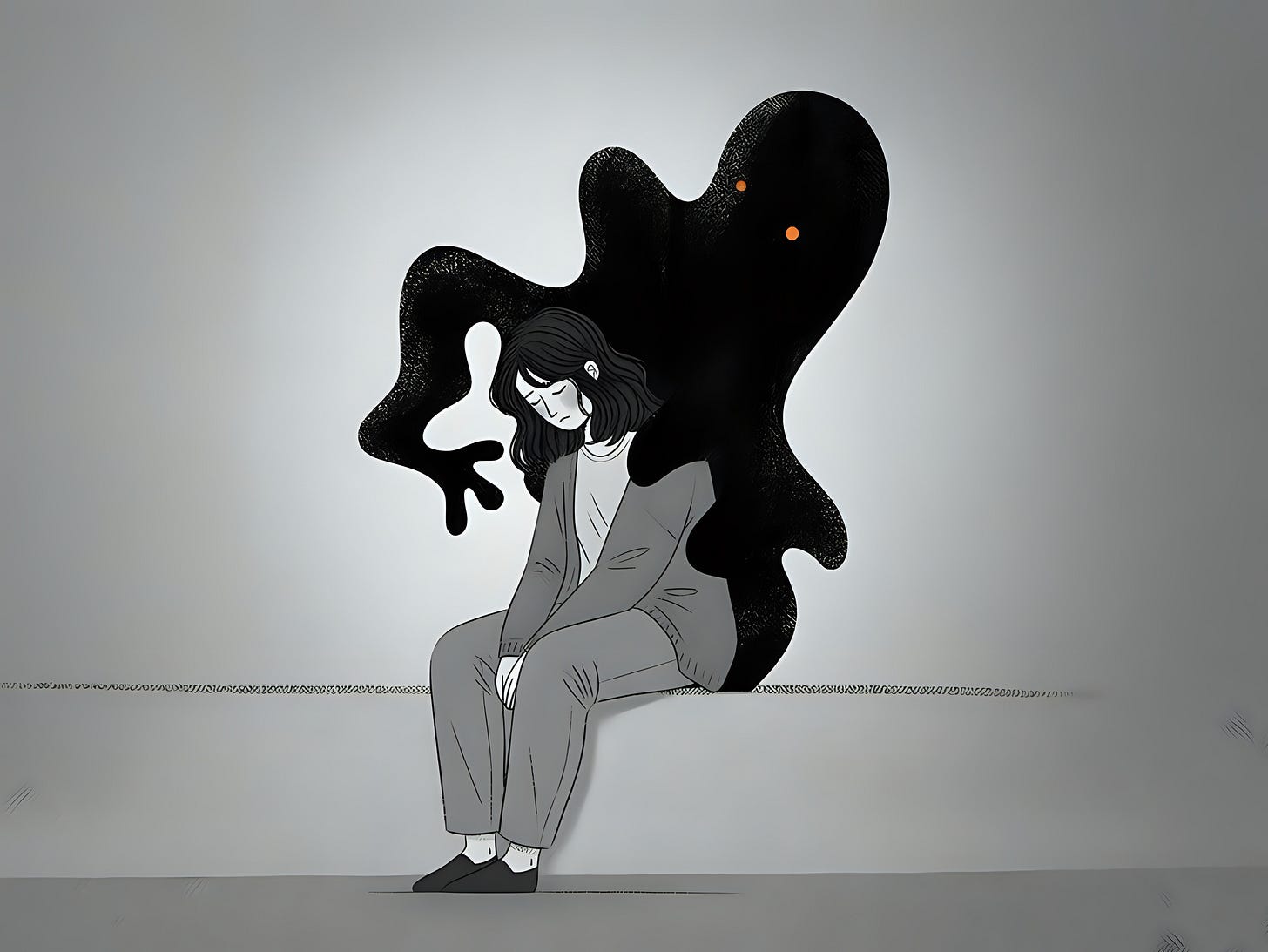
There is something paradoxical about trying not to feel. We might believe that avoiding emotions gives us control over them. But sometimes, avoiding an emotion requires more energy than experiencing it.
Think about someone who is afraid of rejection. They might avoid difficult conversations, never express what they need, or distance themselves before someone else has the chance to hurt them. They might tell themselves they’re simply being rational. But how much of their behavior is actually organized around the feeling they’re trying so hard to avoid?
Avoidance can bring relief, especially in the short term. Sometimes it is even protective. But when avoiding feelings becomes our primary way of coping, our world can gradually become smaller.
We stop asking what we want and start asking what we can tolerate. We stop making decisions based on what matters to us and begin making them based on what will help us avoid discomfort.
And at what point does protecting ourselves from discomfort begin to cost us the very things we want from life?
And perhaps that’s one of the strangest things about emotional avoidance.
We can spend so much time trying not to feel something that the feeling ends up influencing much of what we do.
Maybe We Have Been Asking the Wrong Question
I don’t think we need to love every feeling we experience. Some feelings are painful. Some are confusing. Some bring us face-to-face with parts of ourselves or our lives that we would rather not confront.
And I don’t think the goal is to feel everything intensely or to spend our days analyzing every emotional reaction. But perhaps we can learn to experience a feeling without immediately trying to escape it, explain it away, or act on it.
To recognize anger without becoming aggressive. To recognize fear without automatically retreating. To recognize sadness without interpreting it as weakness. To recognize vulnerability without assuming we’ve lost control.
Because feelings don’t necessarily take away our ability to think. Sometimes they give us something important to think about.
And maybe the question was never really, “Why do we need feelings?”
But it was, “What have we come to believe will happen if we allow ourselves to feel?”
This article has general information, and is not a substitute for therapy.
If something you’ve read resonates with you and you’d like to explore it further in therapy, you’re welcome to book a session with me at www.dorentinapodrimqaku.com.